How to Unclog a Drain (and When to Call a Plumber): A Florida Homeowner’s Guide
By H&H Plumbing Contractors, Inc. | Serving Brevard and Indian River Counties since 1987
A slow sink or a gurgling tub is easy to ignore until the water stops going down altogether. The good news is that many single-fixture clogs can be cleared safely at home. The bad news is that some clogs are warning signs of a bigger problem in your main drain or sewer line. This guide explains what causes clogged drains, what you can safely try yourself, and how to tell when it is time to call a licensed plumber.
Quick Answers
• How do I unclog a drain without chemicals? Use a plunger, clear visible hair and debris from the stopper, and clean the P-trap under the sink.
• Why does my drain keep clogging? Usually the blockage was never fully removed, or there is an underlying cause such as grease buildup, roots, or damaged pipe.
• Is chemical drain cleaner safe? It is not recommended. It can damage older pipes and often clears only a small channel through the clog.
• When should I call a plumber? When more than one fixture is slow or backing up, when clogs keep returning, or when you smell sewage.
• Is a clogged drain an emergency? A sewage backup into the home is. Call right away.
What Causes Clogged Drains?
Most clogs build up slowly over weeks or months. The most common causes are:
• Grease, oil, and food waste. These cool and harden inside kitchen drain lines and trap other debris.
• Hair and soap scum. Hair knots together with soap residue in tub, shower, and bathroom sink drains.
• Wipes and paper products. Even wipes labeled “flushable” do not break down like toilet paper.
• Mineral scale. Hard water leaves deposits that narrow pipes over time.
• Tree and shrub roots. Roots can enter underground drain and sewer lines through small cracks and joints.
• Aging or damaged pipe. Rough, corroded, or broken pipe catches debris more easily.
Warning Signs of a Clogged Drain
• Water draining slowly from a sink, tub, or shower
• Gurgling sounds from drains or toilets
• Foul odors rising from drains
• Water backing up in one fixture when you use another
• More than one fixture draining poorly at the same time
Single-Fixture Clog or Main Line Clog?
Knowing where the clog is tells you what to do next.
| What you notice | Likely location | What to do |
|---|---|---|
| One sink, tub, or toilet is slow | That fixture’s drain or trap | Try the safe DIY steps below |
| Several fixtures are slow or gurgling | Main drain line | Call a plumber |
| Water backs up in a tub or floor drain when you run the washer | Main drain or sewer line | Call a plumber promptly |
| Clog returns every few weeks | Underlying cause (grease, roots, damaged pipe) | Call a plumber; ask about a camera inspection |
| Sewage odor or wastewater in the home | Main line backup | Treat as urgent and call right away |
What You Can Safely Try Yourself
For a single slow sink, tub, or toilet, these are reasonable first steps:
1. Use a plunger. Make sure there is enough water to cover the cup, and seal it fully before plunging firmly.
2. Clear the stopper or strainer. Remove it and pull out any visible hair or debris by hand.
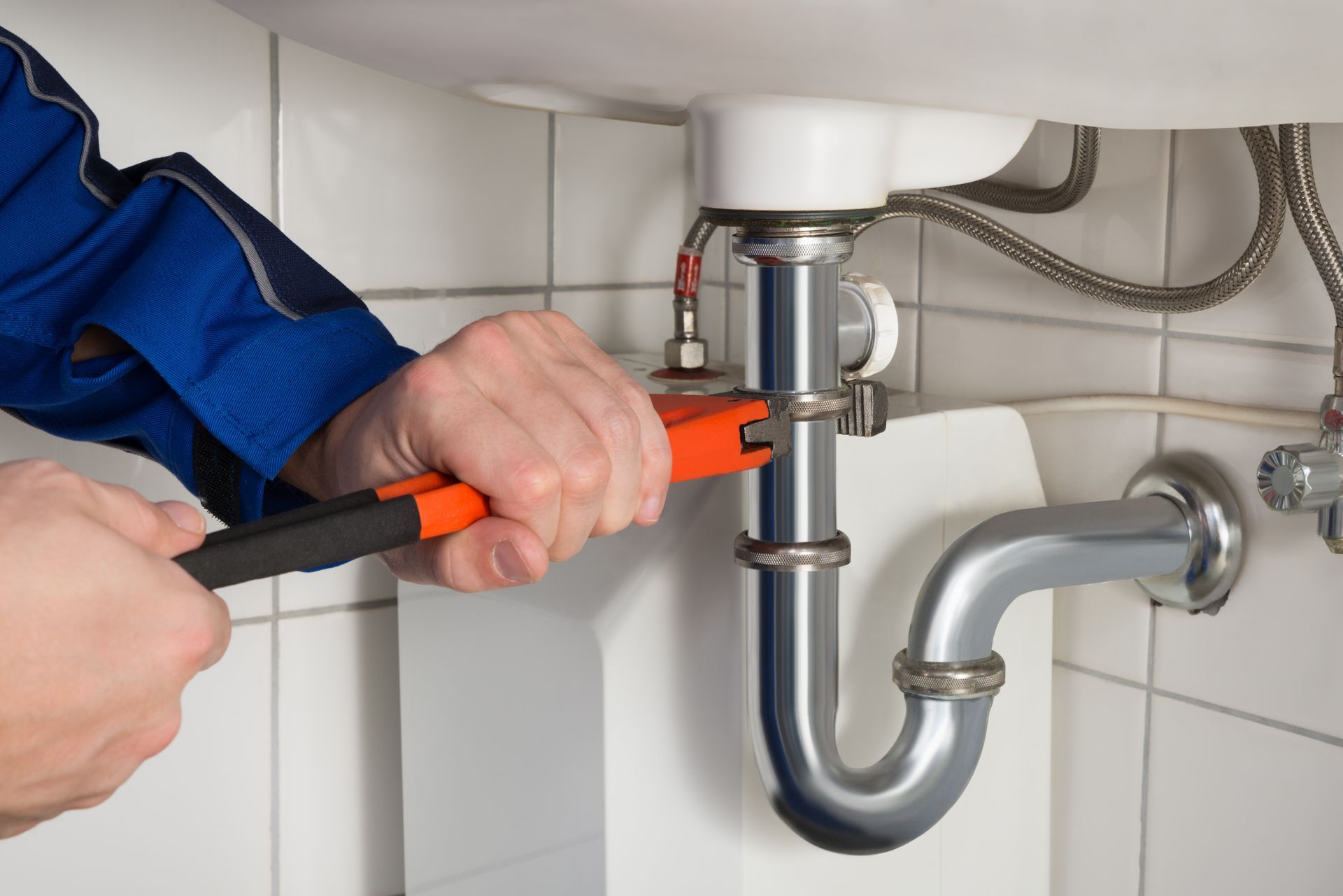
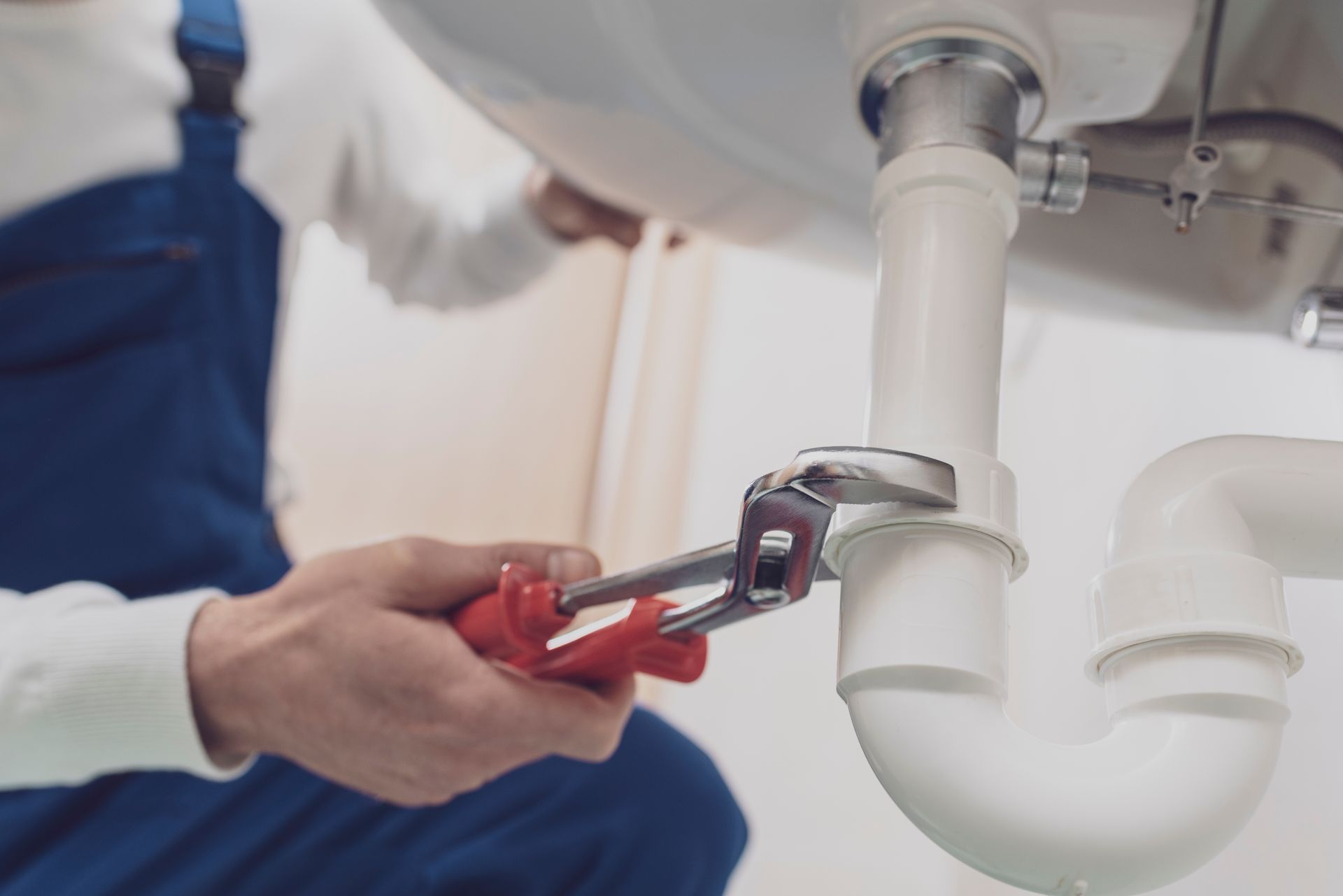
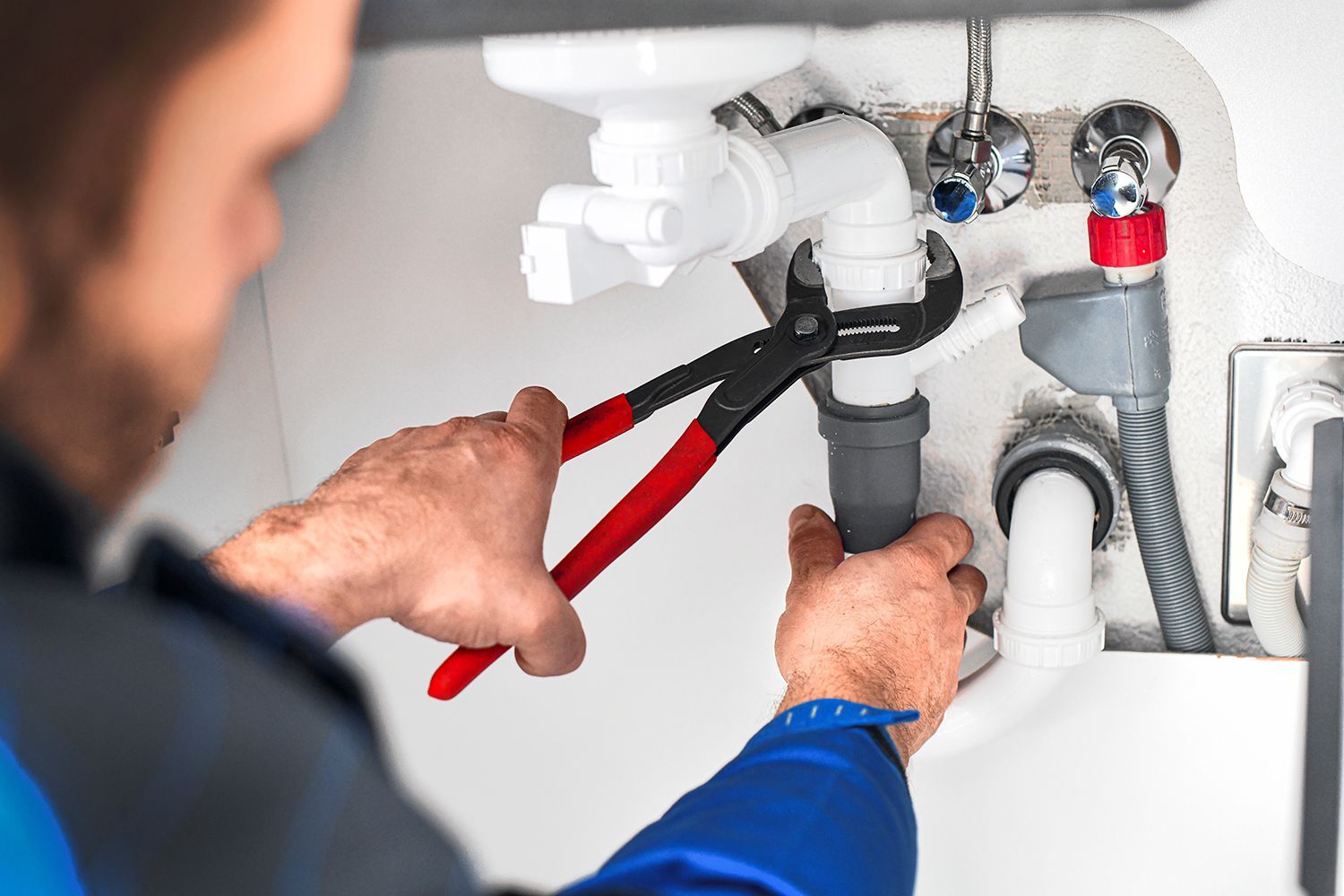
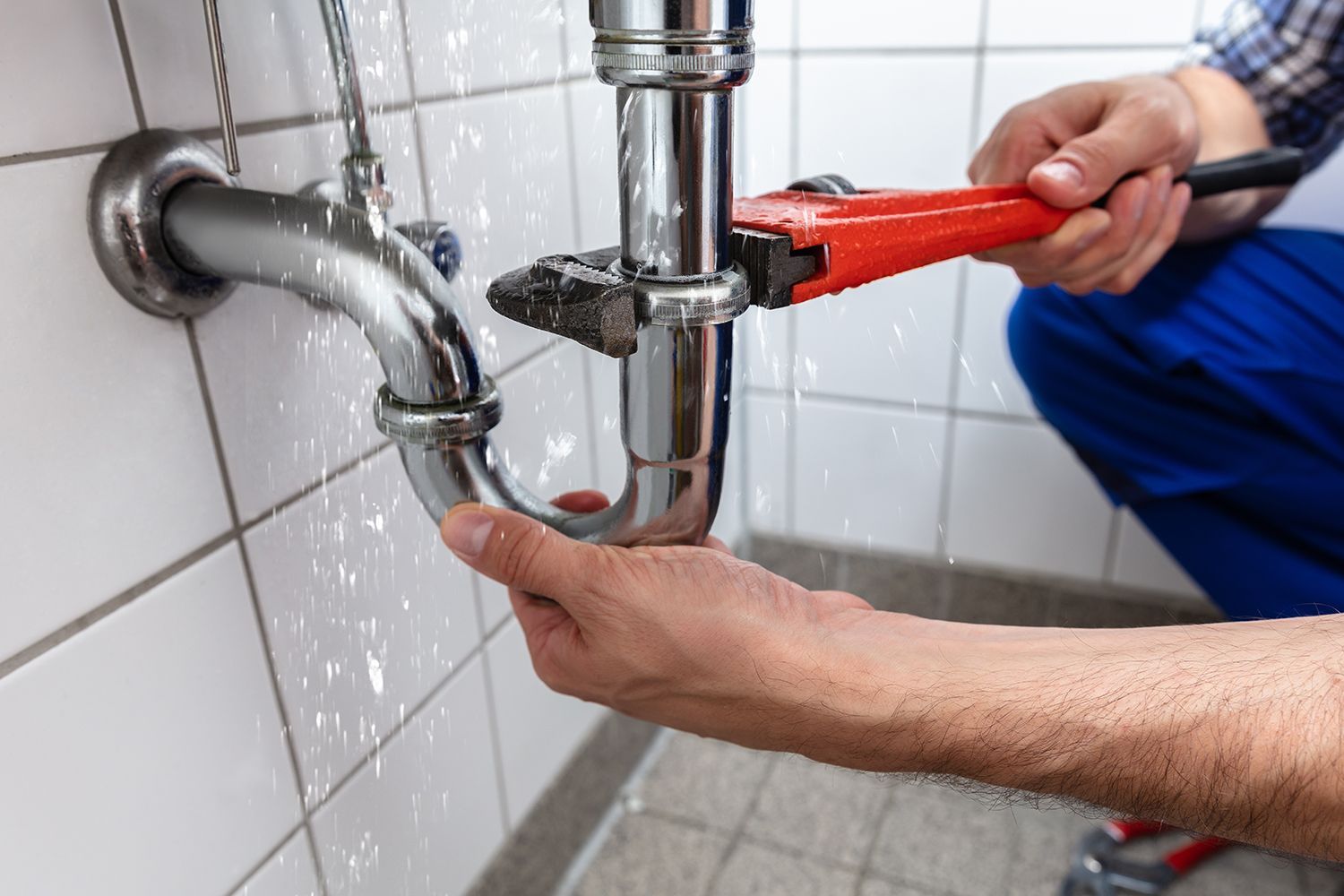
3. Clean the P-trap. Place a bucket under the curved pipe below the sink, loosen the connections, and clear out the debris. Reassemble carefully.
4. Use a small hand drain tool made for hair clogs in tubs and showers.
What to Avoid
• Chemical drain openers. They can damage older pipes and fixtures, are hazardous to handle, and often leave part of the clog behind.
• Pouring grease down the sink, even with hot water. It cools further down the line and hardens.
• Forcing wire or makeshift tools down a drain. You can scratch or puncture the pipe.
• Mixing cleaning products. Combining chemicals can create dangerous fumes.
• Waiting. A drain that is slow today can be fully blocked soon, and a main line backup can send wastewater into the house.
When to Call a Professional Plumber
Call a licensed plumber if:
1. More than one fixture is slow, gurgling, or backing up.
2. The same drain clogs again and again.
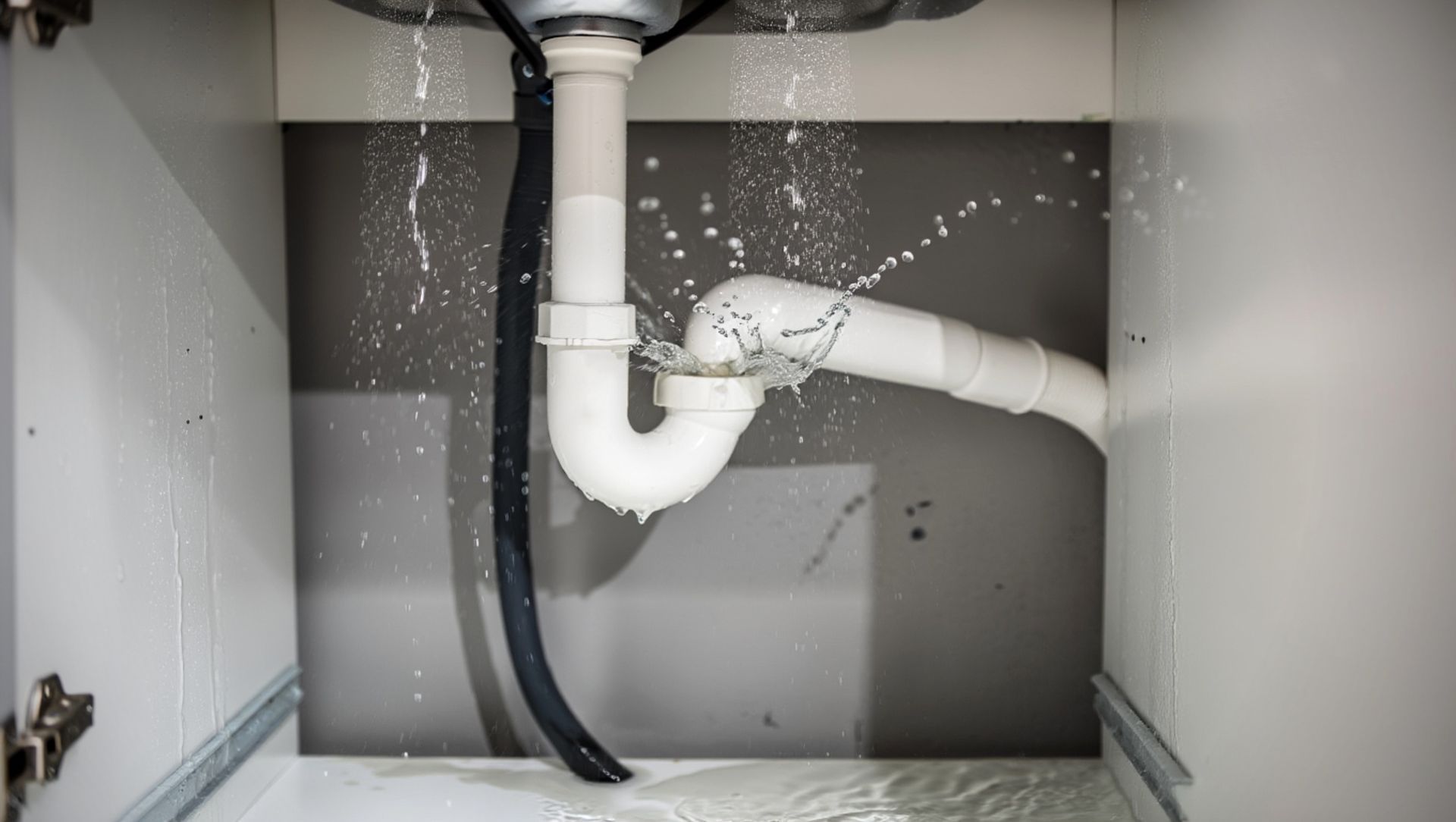
3. You notice sewage odors, or wastewater coming up from a floor drain or tub.
4. A plunger and basic steps do not clear the problem.
5. You suspect roots or damaged pipe in an underground line.
What Professional Drain Cleaning Involves
A plumber starts by working out where the clog is and what caused it. Professional drain cleaning uses specialized equipment designed to clear the blockage and restore flow without harsh chemicals. Afterward, the plumber confirms the drain flows freely.
If clogs keep coming back, a sewer camera inspection can show what is happening inside the line, such as roots, a low spot in the pipe, or a crack. That way the real problem gets fixed instead of cleared again and again.
At H&H Plumbing Contractors, you get a free, upfront estimate before work begins. Learn more about our drain cleaning service and sewer repair and camera inspections.
Drain Care Tips for Florida Homes
• Seasonal and vacation homes: drains that go unused can dry out, which lets sewer odors rise. Run water in rarely used sinks, tubs, and floor drains before and after an extended absence.
• Rental properties: a drain that is used heavily by many people clogs faster. Remind guests and tenants not to flush wipes or pour grease.
• Homes with mature trees: if a main line clogs repeatedly, ask about a camera inspection to check for roots.
• Older homes: aging pipe is more likely to collect debris or crack. Repeated clogs may mean it is time for repair or replacement.
Simple Habits That Prevent Clogs
• Scrape grease and food into the trash, not the sink
• Use drain strainers in kitchen sinks, tubs, and showers
• Flush only toilet paper and human waste
• Run hot water through kitchen drains after washing dishes
• Schedule a plumber the first time a drain slows down repeatedly
Your Drain Action Plan
1. Identify whether one fixture or several are affected.
2. For a single fixture, try the plunger, strainer, and P-trap steps.
3. Skip the chemical cleaners.
4. If several fixtures are affected, or the clog returns, call a plumber.
5. If sewage is coming up into the home, call right away and stop using water in the house.
6. Add drain strainers and change a few habits to prevent the next clog.
Frequently Asked Questions
How do I unclog a drain without chemicals?
For a single slow drain, start with a plunger, then clear any visible hair or debris from the stopper or strainer. You can also clean the P-trap under a sink. If the clog does not clear or several fixtures are affected, a plumber can remove it with professional equipment.
Why does my drain keep clogging?
Repeated clogs usually mean the blockage was never fully removed, or there is an underlying problem such as grease buildup, tree roots, or damaged pipe. A sewer camera inspection can show what is happening inside the line.
Are chemical drain cleaners bad for pipes?
They can be. Chemical drain openers can damage older pipes and fixtures, and they are hazardous to handle. They also often clear only a small channel through the clog, so the problem returns. A plumber can remove the blockage without harsh chemicals.
How do I know if my main sewer line is clogged?
If several fixtures are slow, gurgling, or backing up at the same time, or if water comes up in a tub or floor drain when you run the washing machine, the main line is likely blocked. Call a plumber promptly, since main line backups can send wastewater into the home.
What is the difference between a drain clog and a sewer line clog?
A drain clog affects one fixture, such as a sink or tub. A sewer line clog affects the main pipe that carries all of your home’s wastewater out, so multiple fixtures are affected. Sewer clogs are more serious and usually need a plumber.
How much does professional drain cleaning cost?
The cost depends on where the clog is, how severe it is, and how easy the drain is to reach. H&H Plumbing Contractors provides a free, upfront estimate before work begins, so you know the price before you agree to the job.
Is a clogged drain a plumbing emergency?
A slow drain can usually wait for the next available appointment, but a sewage backup into the home cannot. If wastewater is coming up through a drain, stop using water and call a plumber right away. H&H offers 24/7 emergency service.
How can I stop my kitchen sink from clogging?
Keep grease, oil, and food scraps out of the sink, use a strainer, and run hot water after washing dishes. Most kitchen clogs come from grease that hardens inside the pipe. If the sink still clogs often, have a plumber check the line.
Need Help With a Clogged Drain?
H&H Plumbing Contractors, Inc. (Florida License #CFC1431817) has served Brevard and Indian River Counties since 1987. We offer free estimates, financing for larger projects, and 24/7 emergency service.
Call (321) 255-7397, request a free estimate, or book an appointment online. Office hours are Monday to Friday, 8:00 am to 4:00 pm.
Related Services