Blog
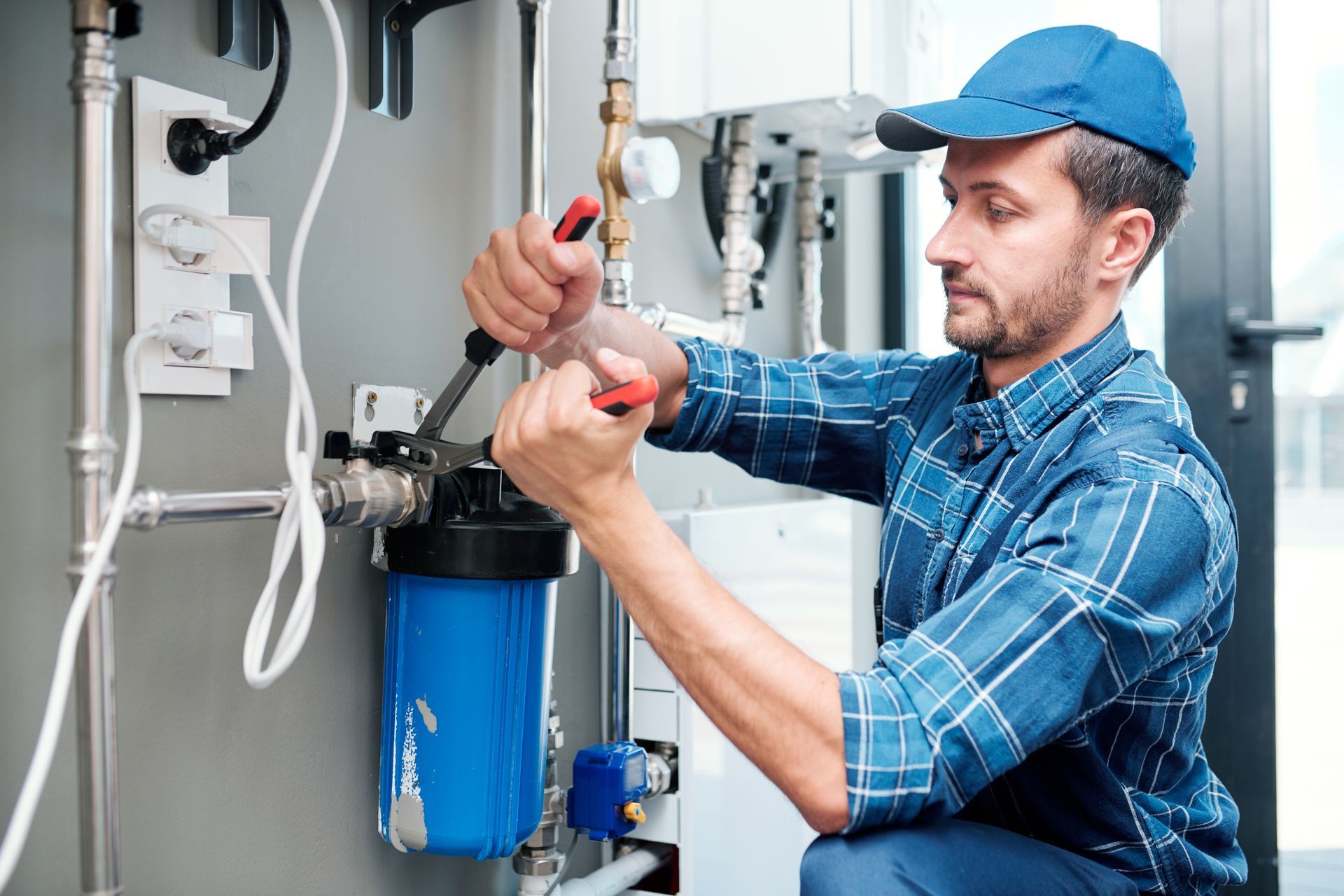
By H&H Plumbing Contractors, Inc. | Serving Brevard and Indian River Counties since 1987 If your water leaves white spots on glassware, tastes like a swimming pool, or smells like rotten eggs, you have probably looked at water treatment systems. The terms can be confusing: filtration, purification, softening, reverse osmosis. This guide explains what each one does, why water quality varies across Florida, and how to choose the right solution for your home. Quick Answers • What is the difference between water filtration and purification? Filtration generally reduces sediment, chlorine, taste, and odor. Purification is a broader term for treatment that removes more contaminants, such as with reverse osmosis. • Is Florida water hard? Much of it is. Groundwater passes through limestone, which adds hardness minerals. Levels vary by utility and location. • What does a water softener do? It reduces hardness minerals that cause scale. It is not designed to remove chlorine. • Do I need a whole-house system? If you want better water at every tap, shower, and appliance, yes. If you only want better drinking water, an under-sink system may be enough. • How do I know what is in my water? Read your utility’s annual water quality report, or have well water tested by a certified lab. Filtration vs. Purification vs. Softening These terms are often used interchangeably, but they describe different things:
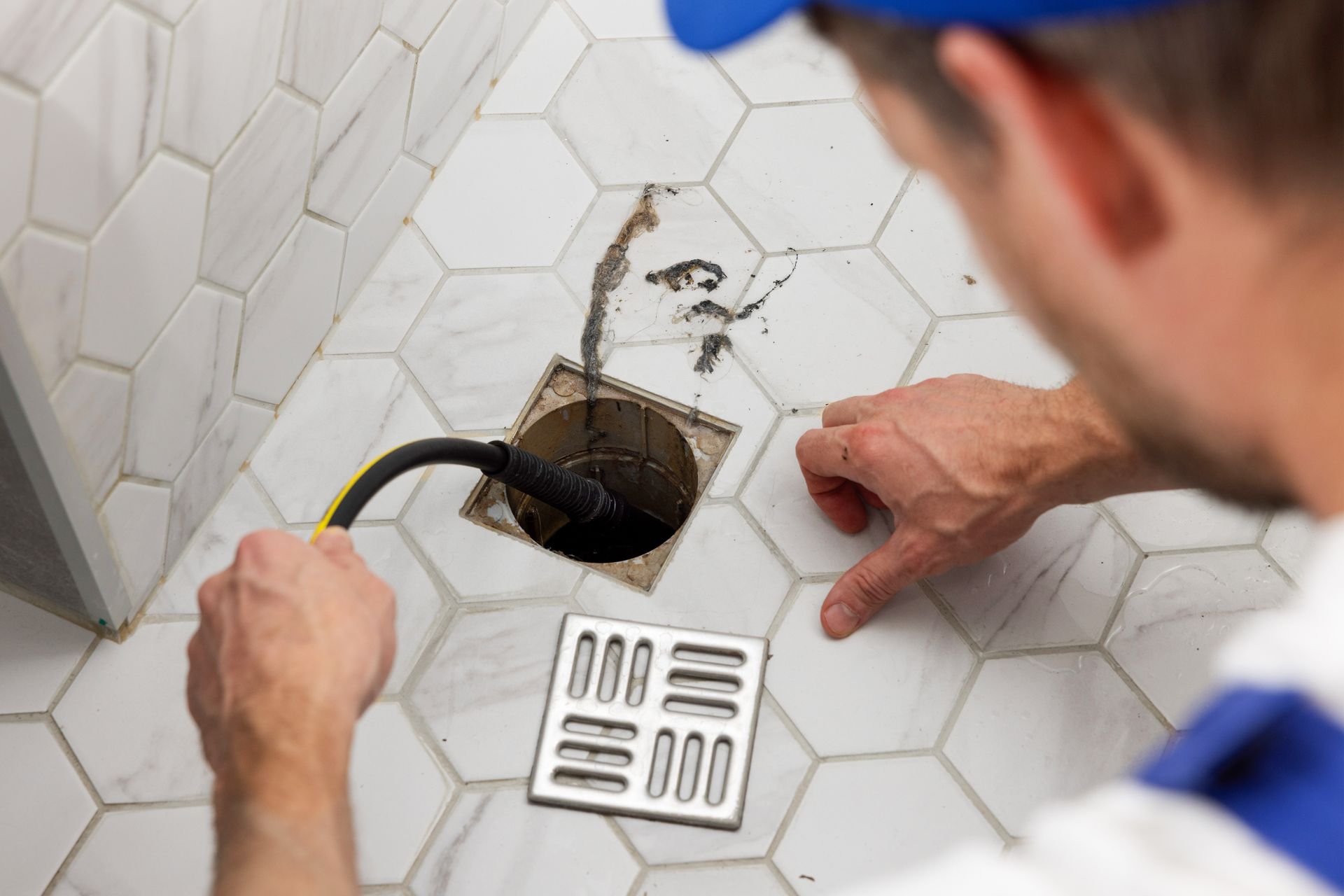
By H&H Plumbing Contractors, Inc. | Serving Brevard and Indian River Counties since 1987 A slow sink or a gurgling tub is easy to ignore until the water stops going down altogether. The good news is that many single-fixture clogs can be cleared safely at home. The bad news is that some clogs are warning signs of a bigger problem in your main drain or sewer line. This guide explains what causes clogged drains, what you can safely try yourself, and how to tell when it is time to call a licensed plumber. Quick Answers • How do I unclog a drain without chemicals? Use a plunger, clear visible hair and debris from the stopper, and clean the P-trap under the sink. • Why does my drain keep clogging? Usually the blockage was never fully removed, or there is an underlying cause such as grease buildup, roots, or damaged pipe. • Is chemical drain cleaner safe? It is not recommended. It can damage older pipes and often clears only a small channel through the clog. • When should I call a plumber? When more than one fixture is slow or backing up, when clogs keep returning, or when you smell sewage. • Is a clogged drain an emergency? A sewage backup into the home is. Call right away. What Causes Clogged Drains? Most clogs build up slowly over weeks or months. The most common causes are: • Grease, oil, and food waste. These cool and harden inside kitchen drain lines and trap other debris. • Hair and soap scum. Hair knots together with soap residue in tub, shower, and bathroom sink drains. • Wipes and paper products. Even wipes labeled “flushable” do not break down like toilet paper. • Mineral scale. Hard water leaves deposits that narrow pipes over time. • Tree and shrub roots. Roots can enter underground drain and sewer lines through small cracks and joints. • Aging or damaged pipe. Rough, corroded, or broken pipe catches debris more easily. Warning Signs of a Clogged Drain • Water draining slowly from a sink, tub, or shower • Gurgling sounds from drains or toilets • Foul odors rising from drains • Water backing up in one fixture when you use another • More than one fixture draining poorly at the same time Single-Fixture Clog or Main Line Clog? Knowing where the clog is tells you what to do next.
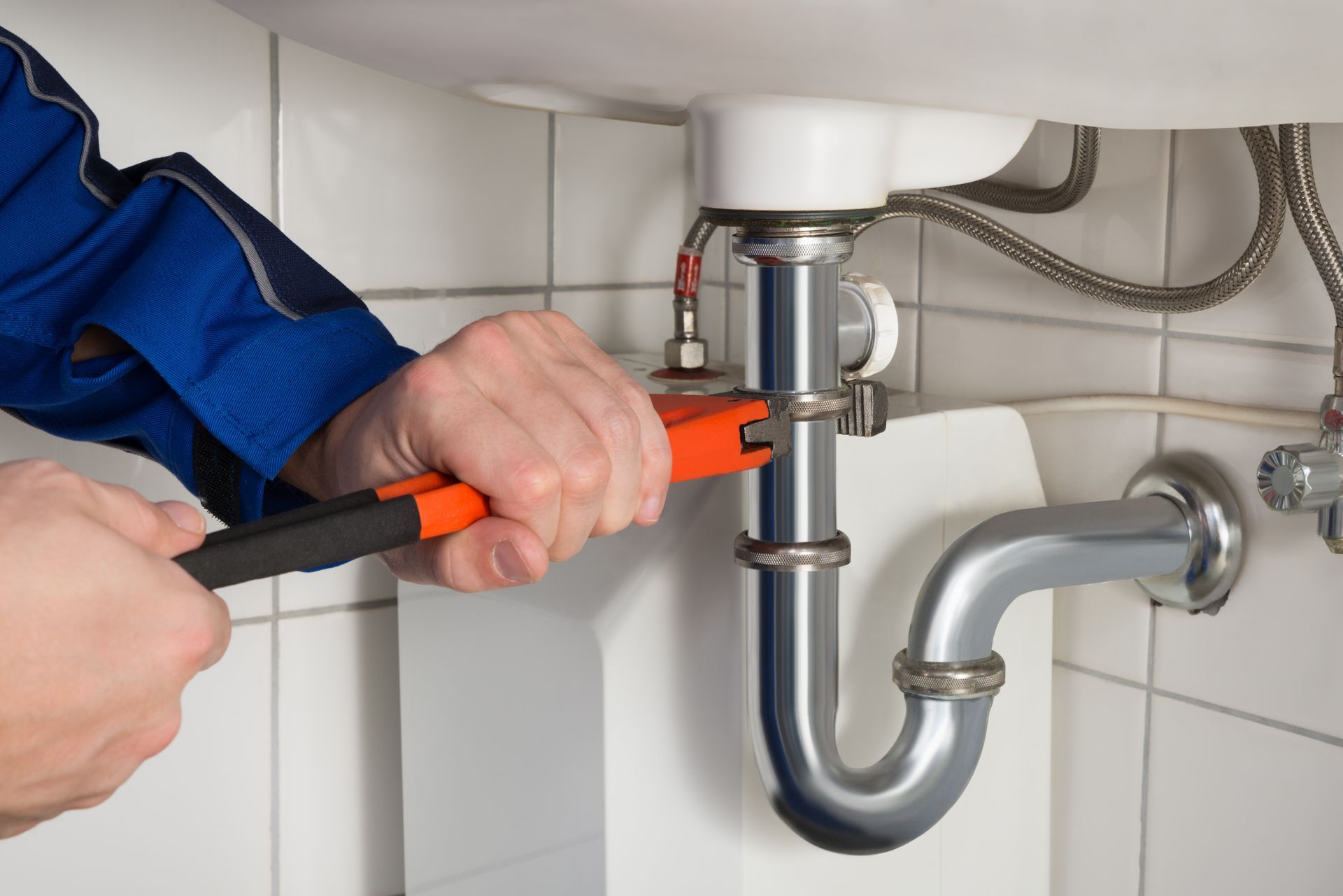
Hire local plumbing contractors in Palm Bay, FL, with H&H Plumbing Contractors, Inc. Request a free estimate today for licensed, insured service.
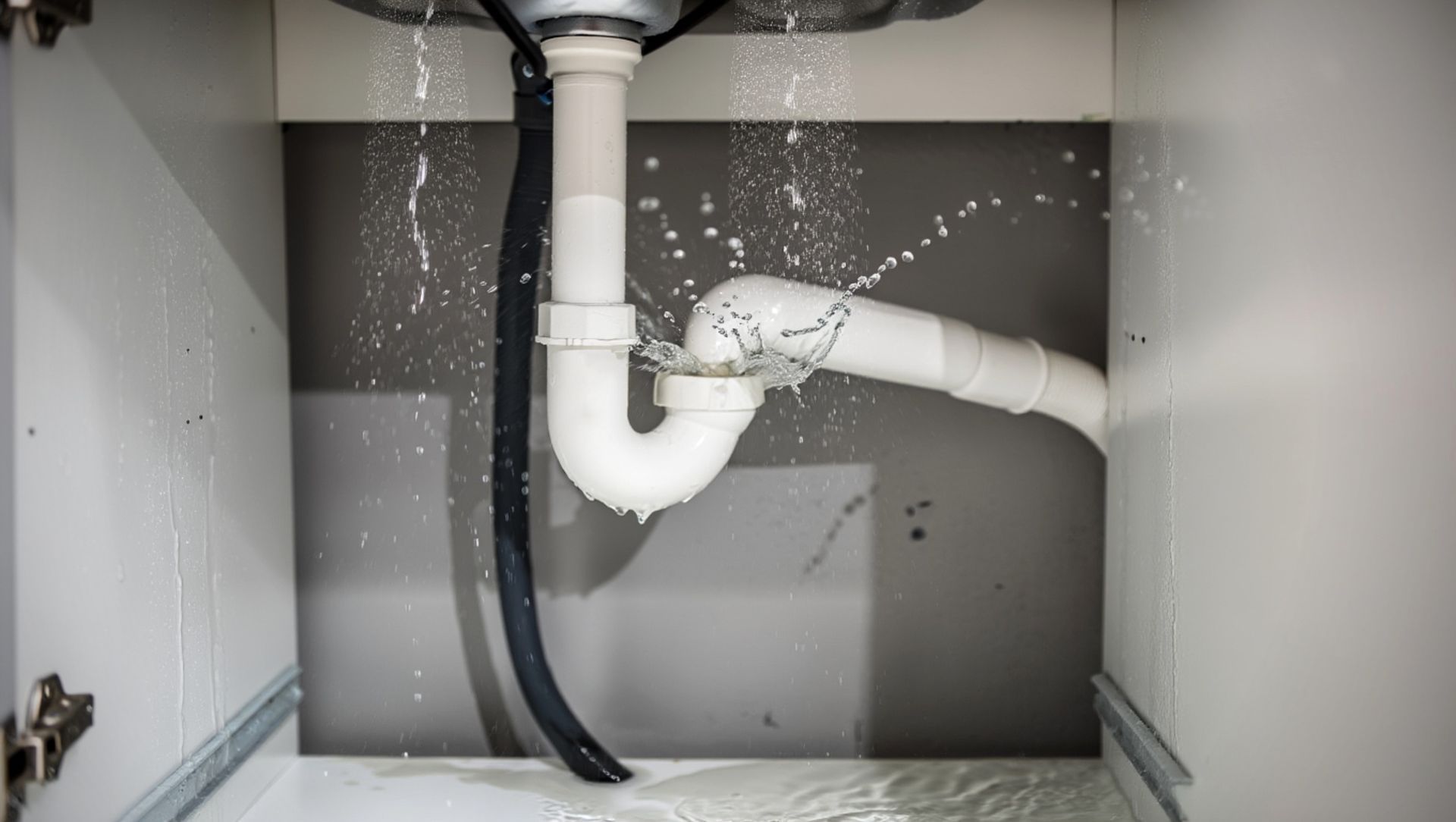
Learn what to do before emergency plumbing contractors arrive in Palm Bay, FL. H&H Plumbing Contractors, Inc. offers 24-hour response. Call now.

Find trusted local plumbing contractors Palm Bay, FL. H&H Plumbing offers licensed, insured service across Brevard County. Get a free estimate today.
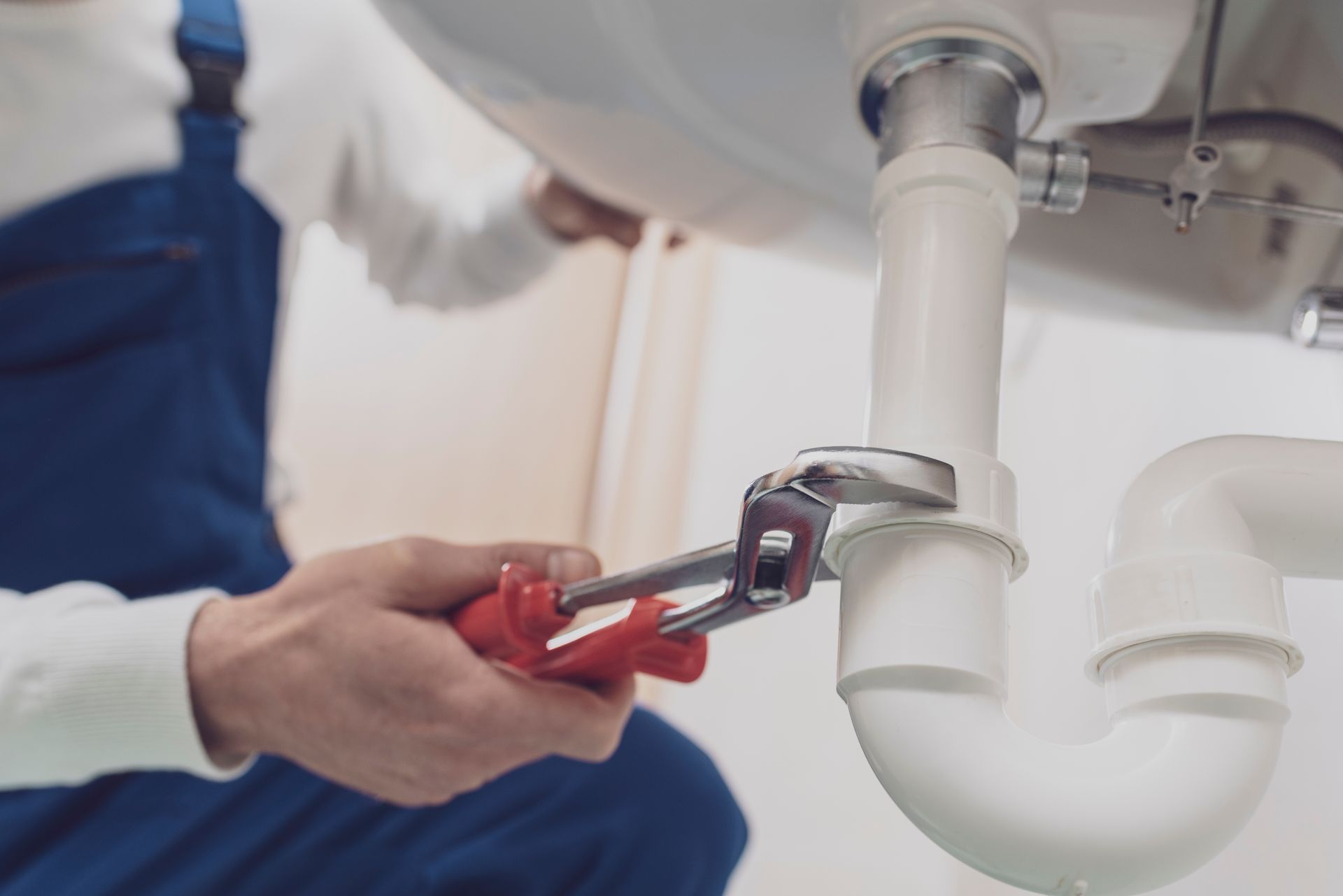
Explore how H&H Plumbing Contractors, Inc., delivers plumbing service contractors in Melbourne, FL. Click here for repairs and installations you can trust.
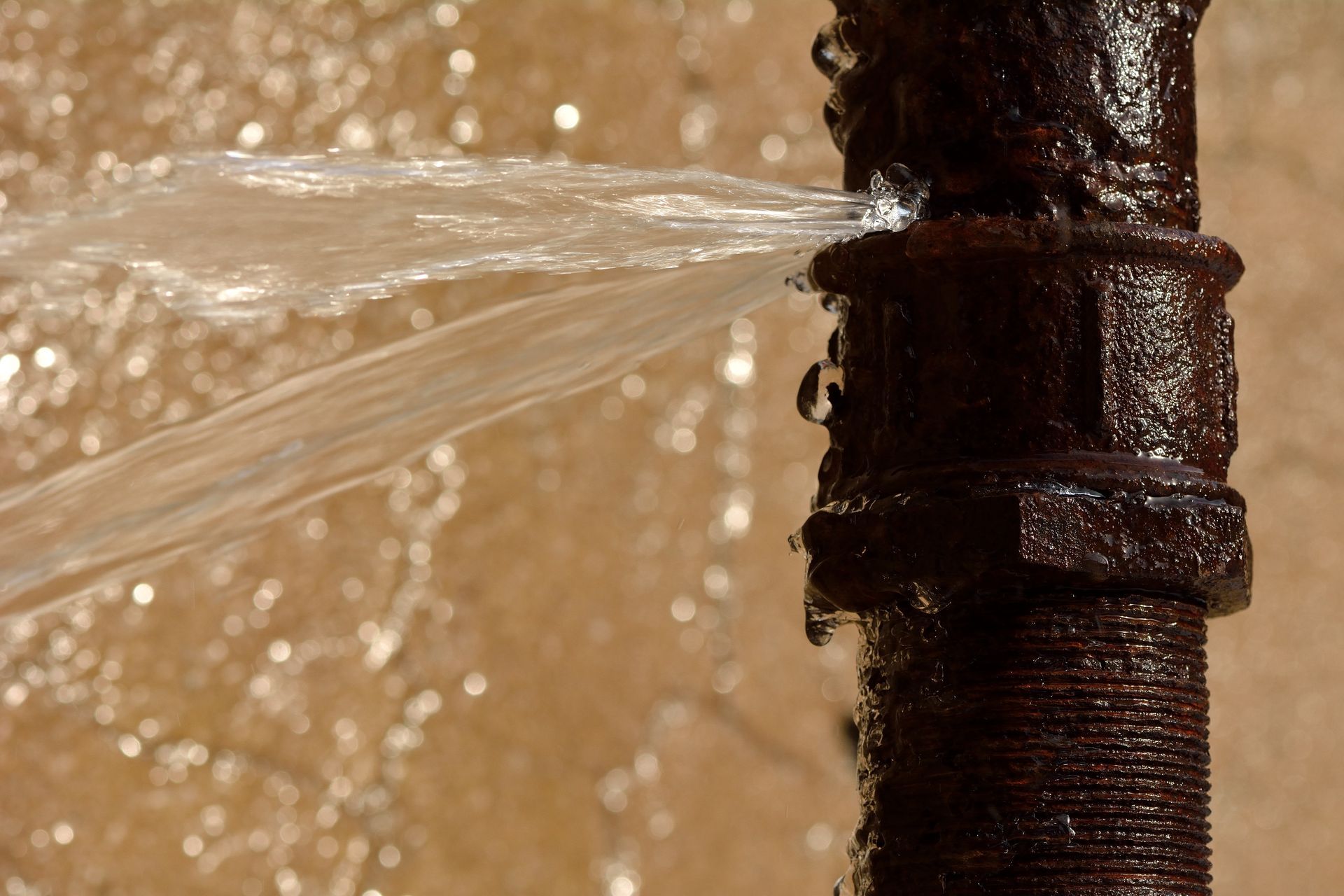
Spot the signs you need emergency plumbing contractors in Titusville, FL. H&H Plumbing Contractors, Inc. offers 24/7 service. Click here for reliable help.
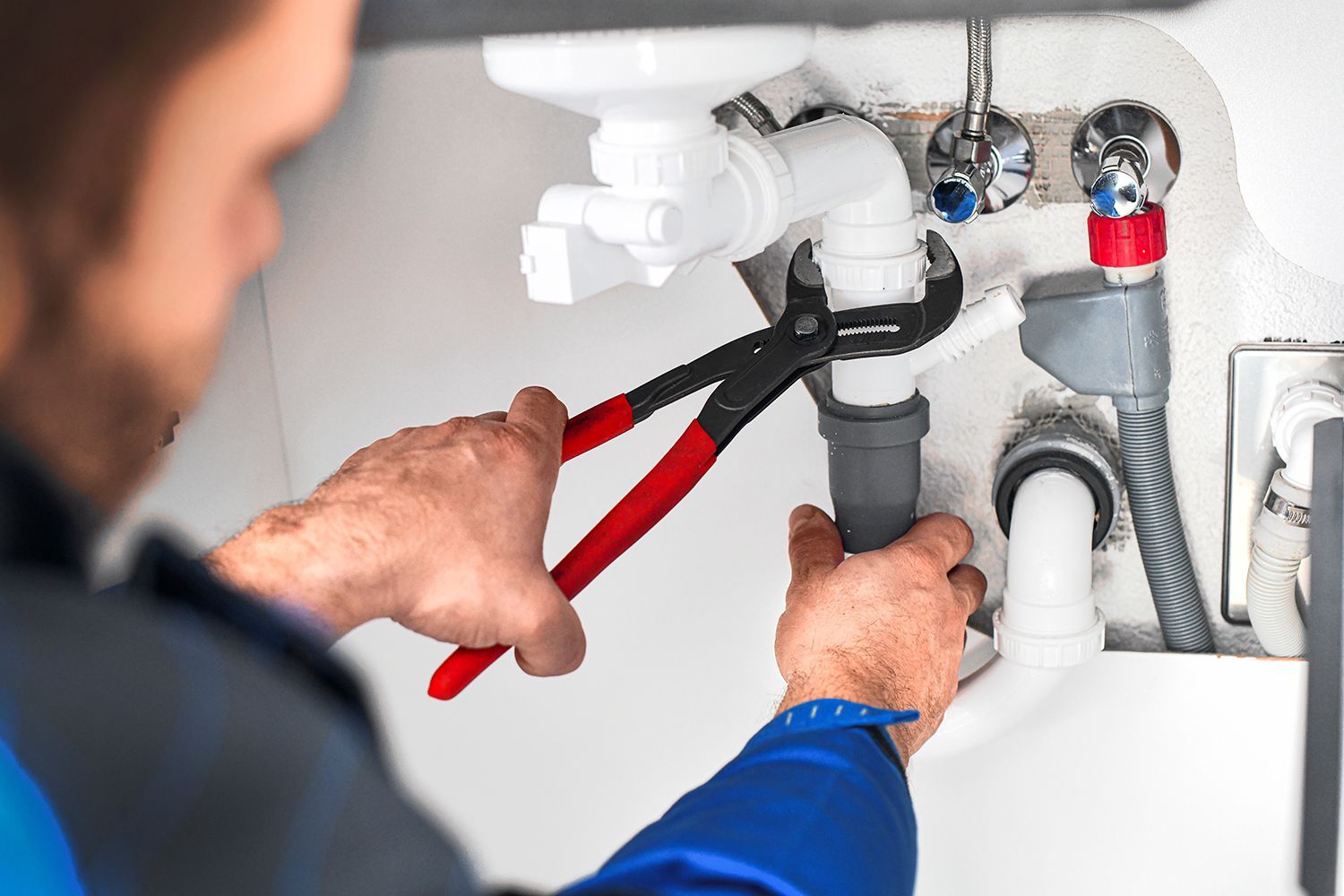
Learn when to call H&H Plumbing Contractors, Inc., for quick repairs. Trust our local plumbing contractors in Rockledge, FL. Click here for expert help now.
Discover expert plumbing services contractors in Titusville, FL, with H&H Plumbing Contractors. Call (321) 255-7397 or click here to learn more today!






